
Description
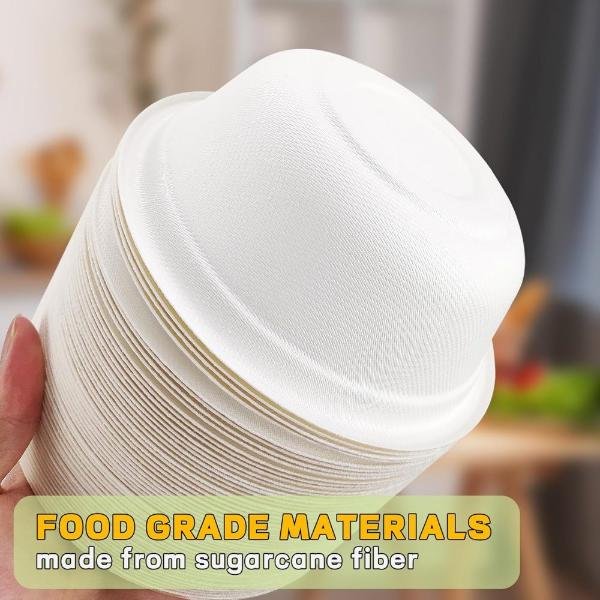
Bagasse products are a highly sustainable and eco-friendly alternative to traditional single-use plastics and paper products. They are made from bagasse, which is the fibrous residue left behind after the sugarcane stalks are crushed to extract their juice. This material, which was once considered agricultural waste, is now upcycled to create a variety of useful products.
Key Characteristics and Environmental Benefits
Renewable Resource: Bagasse is a rapidly renewable resource. Sugarcane is harvested annually, ensuring a continuous supply of this byproduct.
Waste Reduction: By repurposing a waste product from the sugar industry, bagasse products contribute to a circular economy, minimizing agricultural waste and the need for new resources.
Biodegradable and Compostable: One of the most significant advantages of bagasse is that it is 100% biodegradable and compostable. Under proper composting conditions, these products can break down naturally within 30 to 90 days, returning nutrients to the soil and leaving no harmful residues. This is a stark contrast to plastic, which can take hundreds of years to decompose and contributes to long-term pollution.
Lower Carbon Footprint: The production of bagasse products has a much lower carbon footprint compared to plastic. It relies on a renewable, plant-based material rather than non-renewable fossil fuels, and the pulping process for bagasse requires fewer chemicals and less energy than wood pulping for paper.
Non-Toxic and Safe: Bagasse products are free from harmful chemicals, heavy metals, and carcinogens often found in plastics and Styrofoam, making them a safer choice for consumers. They do not leach toxins into food.
Common Eco-Friendly Bagasse Products
Bagasse is a versatile material that can be molded into various shapes for a wide range of uses, particularly in the food service and packaging industries. Some of the most common products include:
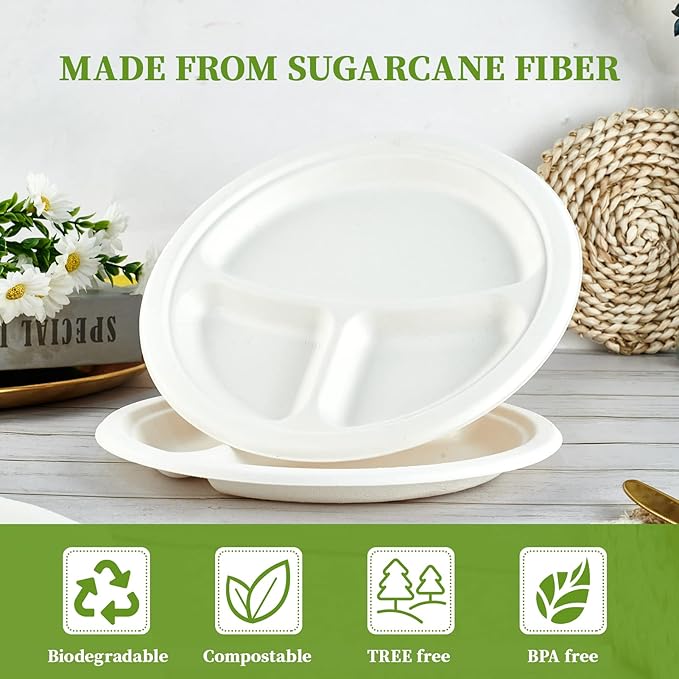
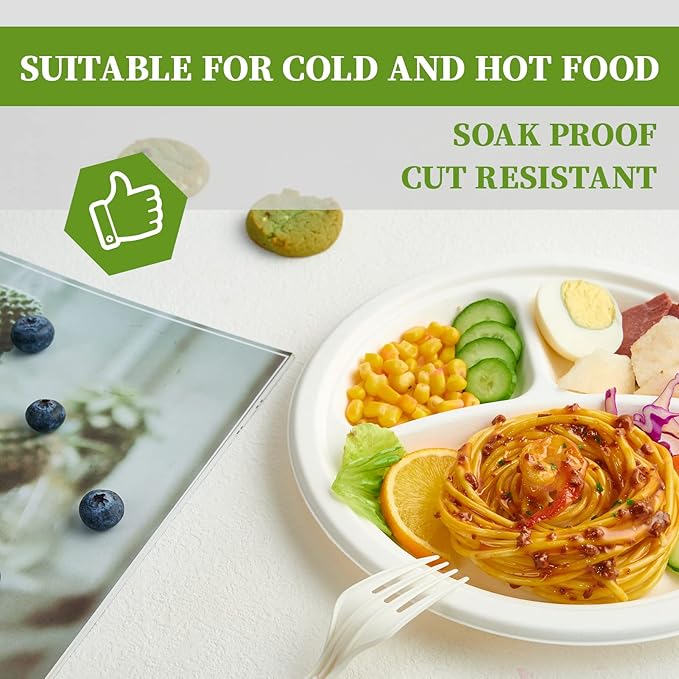
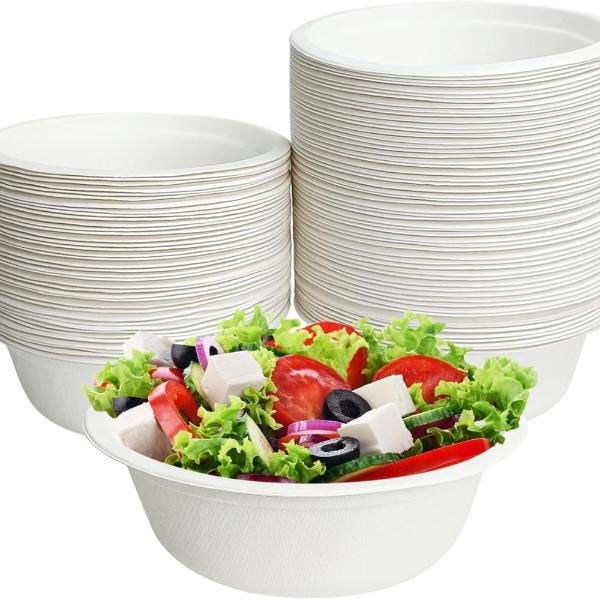
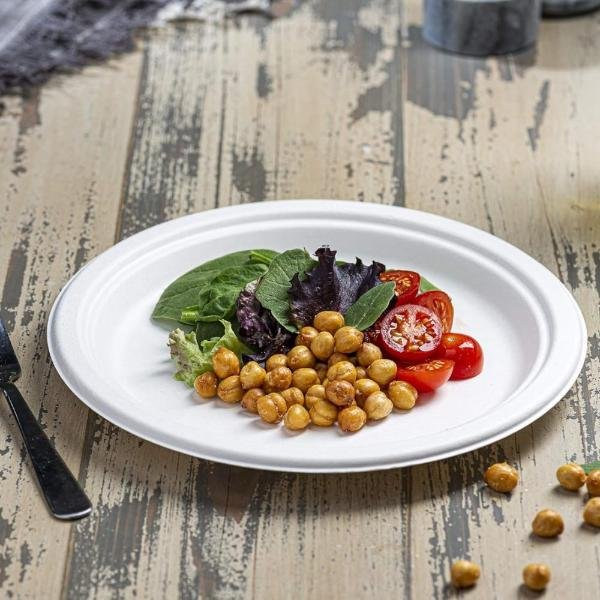
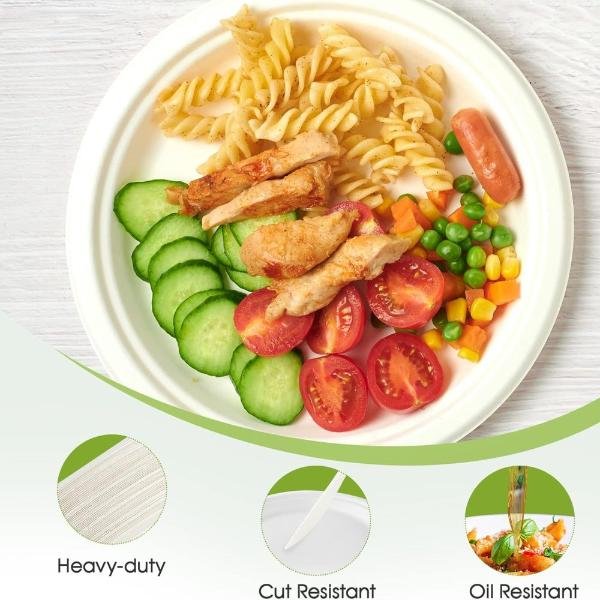
Plates and Bowls: Available in various sizes and shapes, they are sturdy, leak-proof, and can handle both hot and cold foods without a wax or plastic lining.
to plastic, which can take hundreds of years to decompose and contributes to long-term pollution.
Lower Carbon Footprint: The production of bagasse products has a much lower carbon footprint compared to plastic. It relies on a renewable, plant-based material rather than non-renewable fossil fuels, and the pulping process for bagasse requires fewer chemicals and less energy than wood pulping for paper.
Non-Toxic and Safe: Bagasse products are free from harmful chemicals, heavy metals, and carcinogens often found in plastics and Styrofoam, making them a safer choice for consumers. They do not leach toxins into food.
Common Eco-Friendly Bagasse Products
Bagasse is a versatile material that can be molded into various shapes for a wide range of uses, particularly in the food service and packaging industries. Some of the most common products include:
Plates and Bowls: Available in various sizes and shapes, they are sturdy, leak-proof, and can handle both hot and cold foods without a wax or plastic lining.
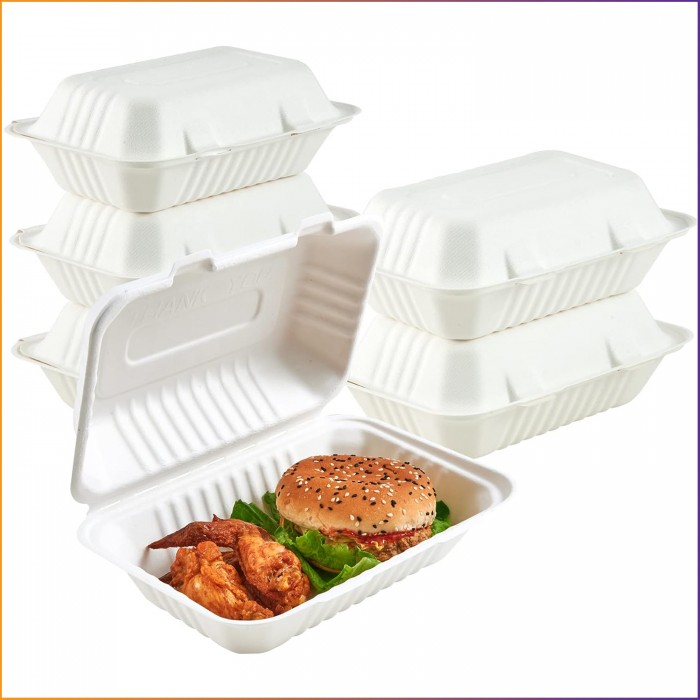
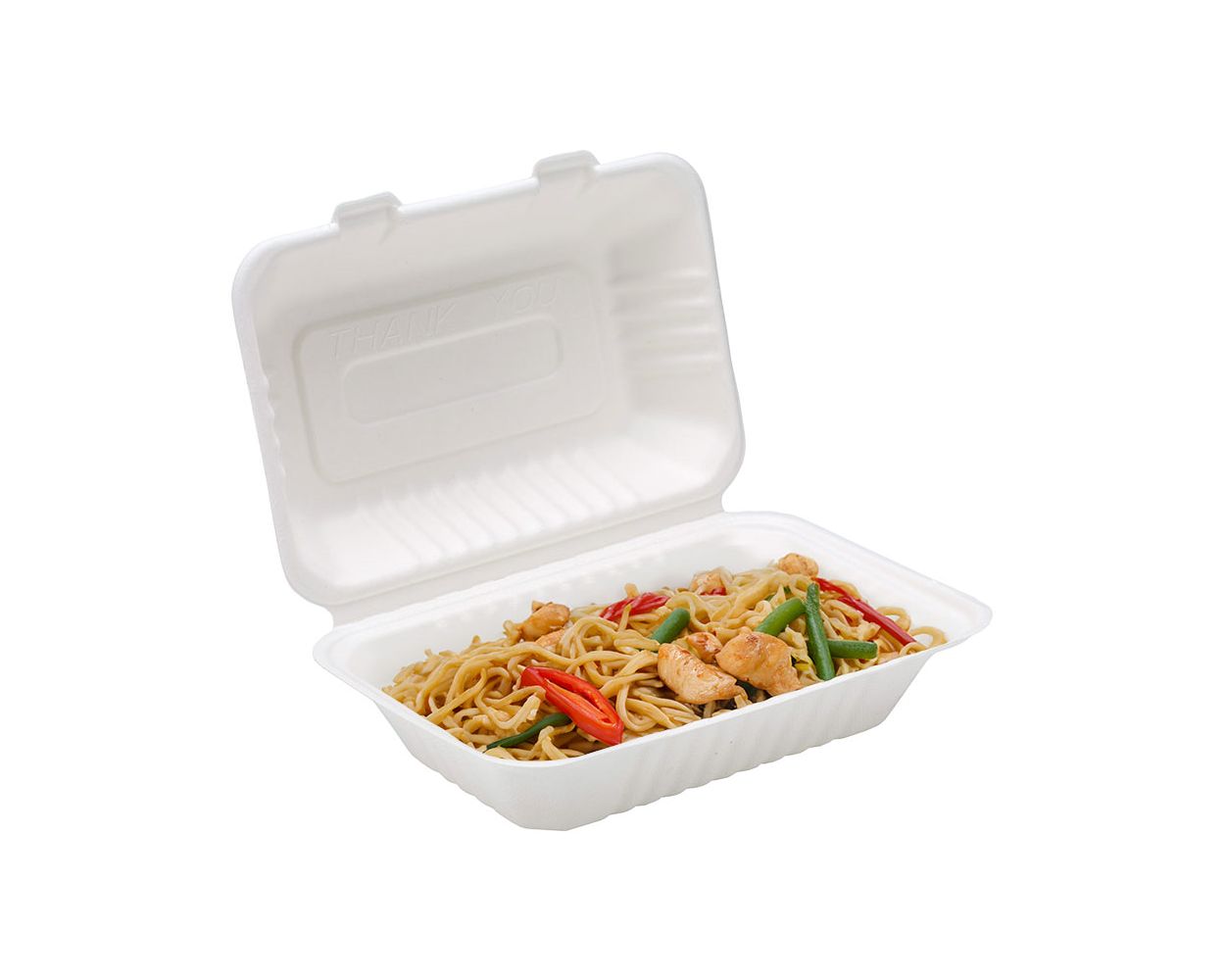
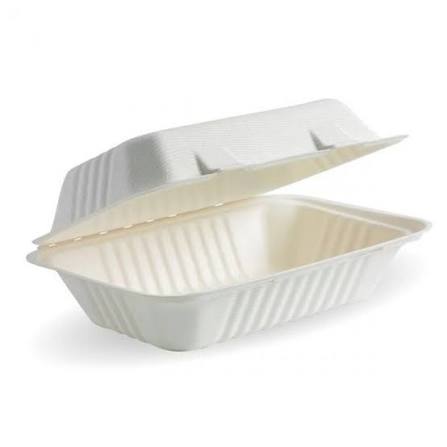
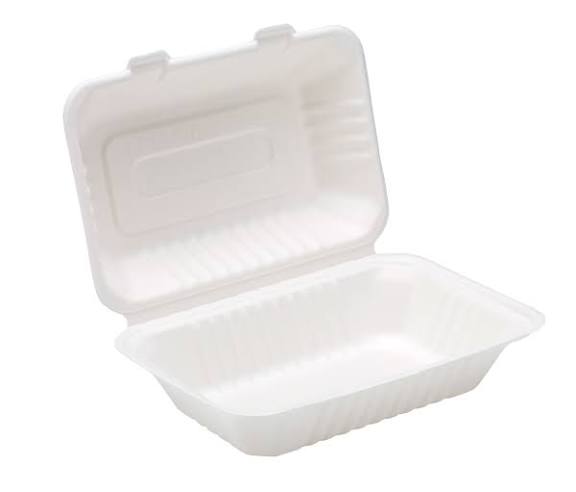
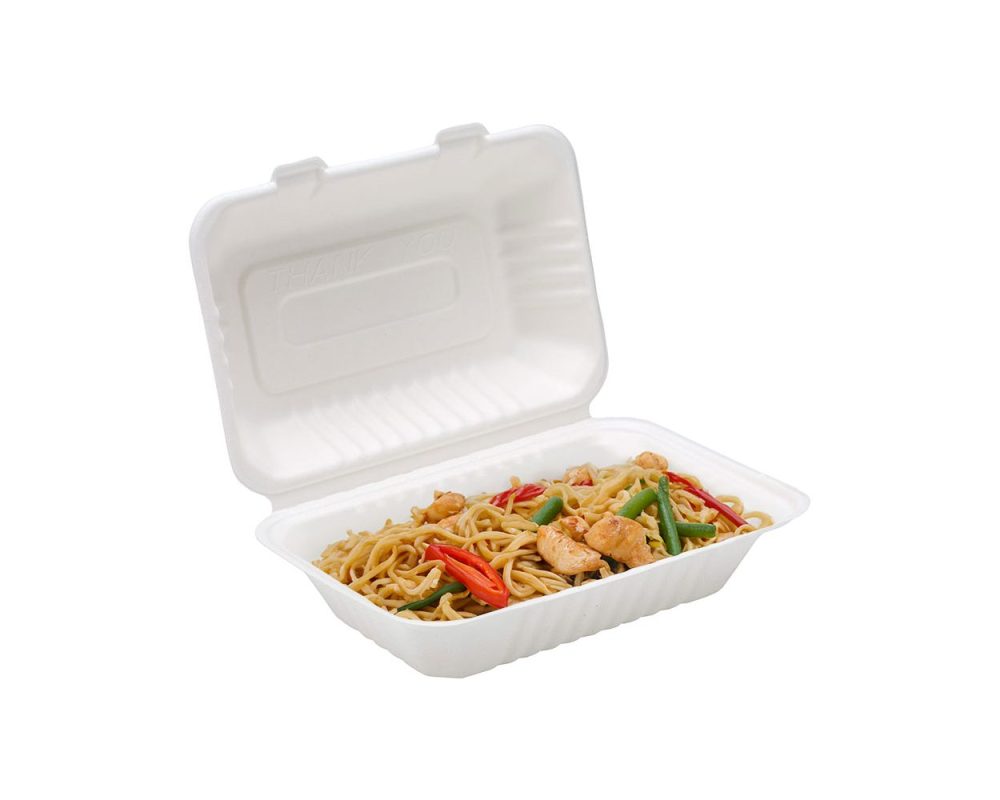
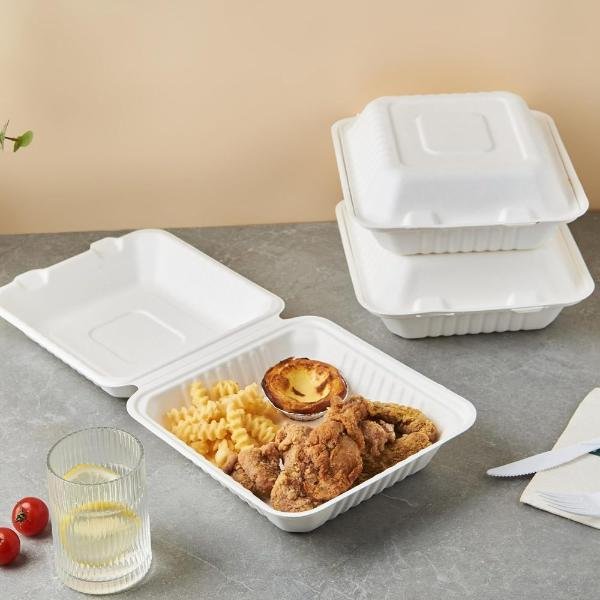
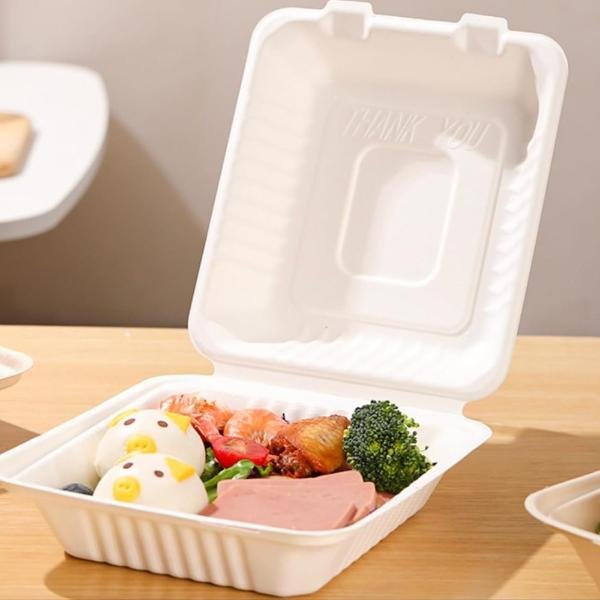
Takeout Containers: Clamshell containers are popular for restaurants and food delivery services. They are durable enough for greasy and saucy foods and provide a compostable alternative to Styrofoam.
Trays and Platters: Used for serving large meals, appetizers, or for meat and produce packaging.
Cups and Lids: Bagasse cups are often lined with a plant-based coating to hold liquids. They are used for hot and cold beverages.
Cutlery: While less common than tableware, some manufacturers also produce cutlery from bagasse.
Bagasse vs. Other Materials
Bagasse vs. Plastic: Bagasse is a clear winner from an environmental standpoint. While plastic is often cheaper to produce, its long-term environmental costs are substantial. Plastic is non-renewable, can take centuries to decompose, and contributes to widespread pollution and microplastics. Bagasse is a renewable resource that biodegrades quickly and is non-toxic.

Reviews
There are no reviews yet.